
Comprehensive care for dogs, cats, puppies, and kittens. From preventative health to advanced treatments, we focus on the lifelong wellbeing of your furry family members.
Everything your companion animal needs under one roof, delivered with expertise and compassion.
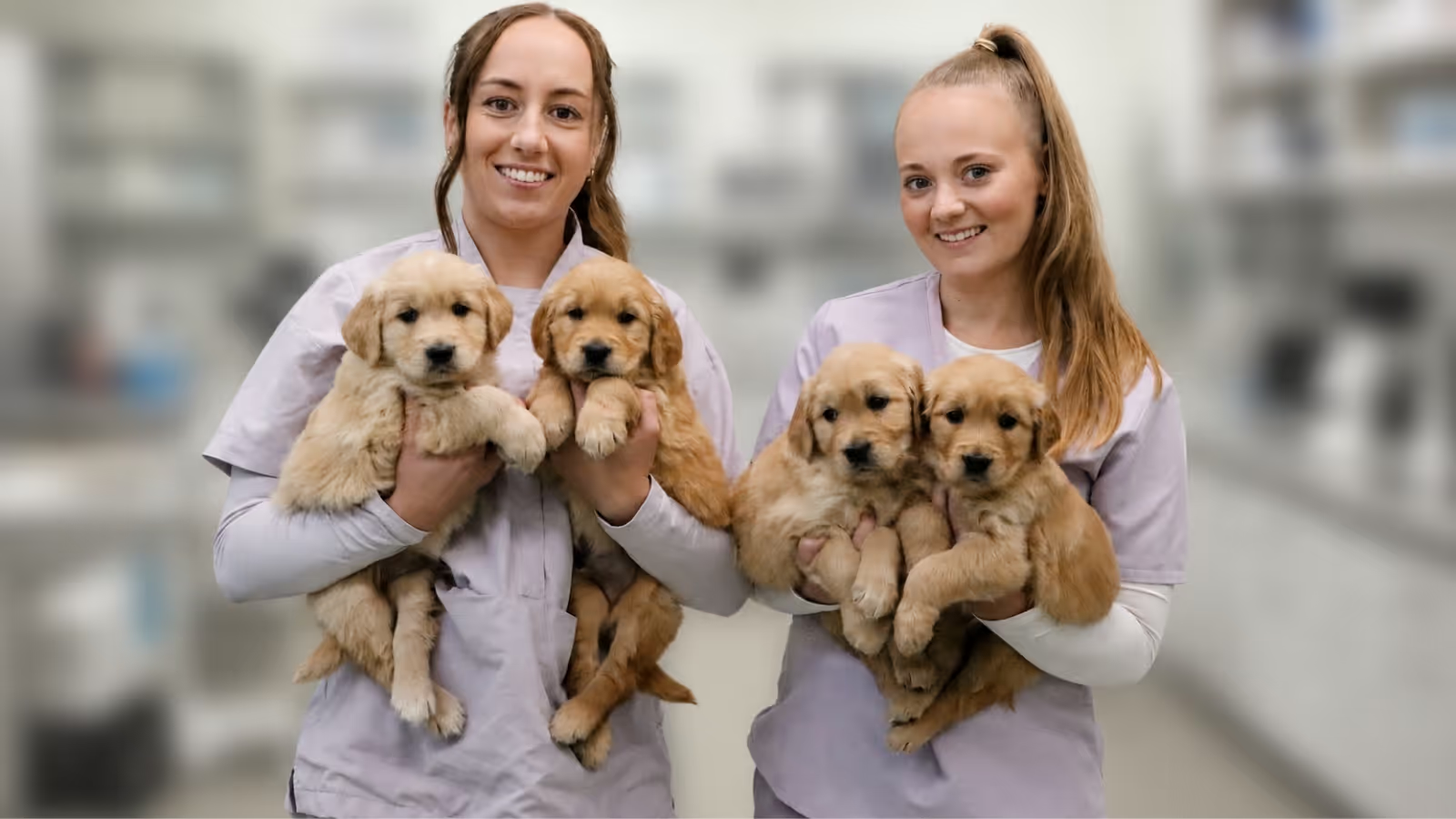
Regular health checks are essential for keeping your pet happy, healthy, and thriving at every stage of life. As your trusted vet in Swan Hill, we assess overall wellbeing, monitor for early signs of illness, and provide personalised advice for your pet’s ongoing care.
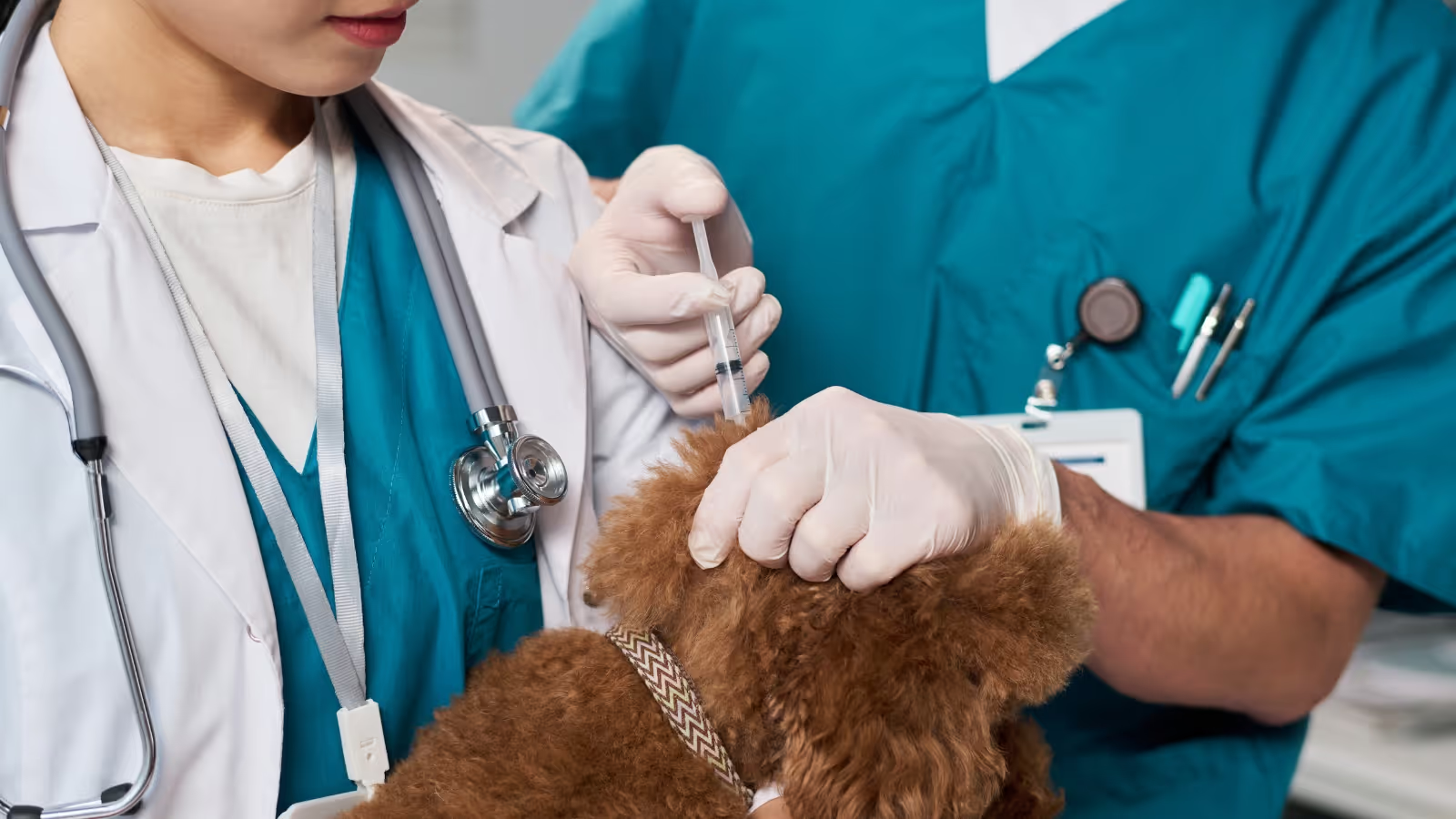
Preventative care plays a key role in protecting your pet from common diseases and health issues. Our vaccination services, parasite control, and routine treatments support long-term health for both pets and their families.
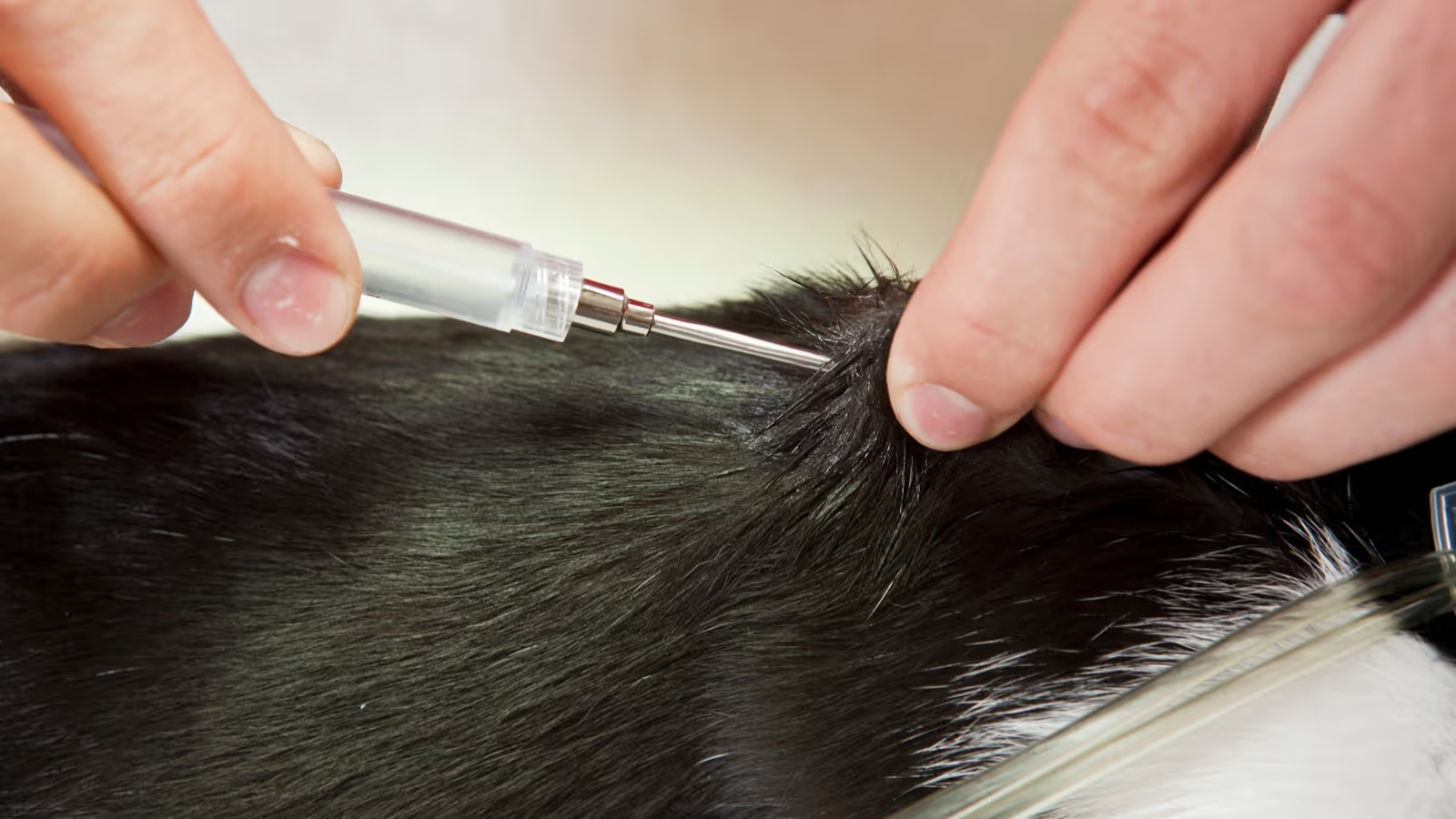
Microchipping is a quick and simple procedure that provides permanent identification for your pet. As part of responsible pet care in Swan Hill, it ensures lost pets can be safely returned home and meets legal registration requirements.

Desexing is recommended to support your pet’s long-term health and wellbeing. It can help prevent certain conditions, reduce the risk of some cancers, and assist in managing behaviour in both dogs and cats.
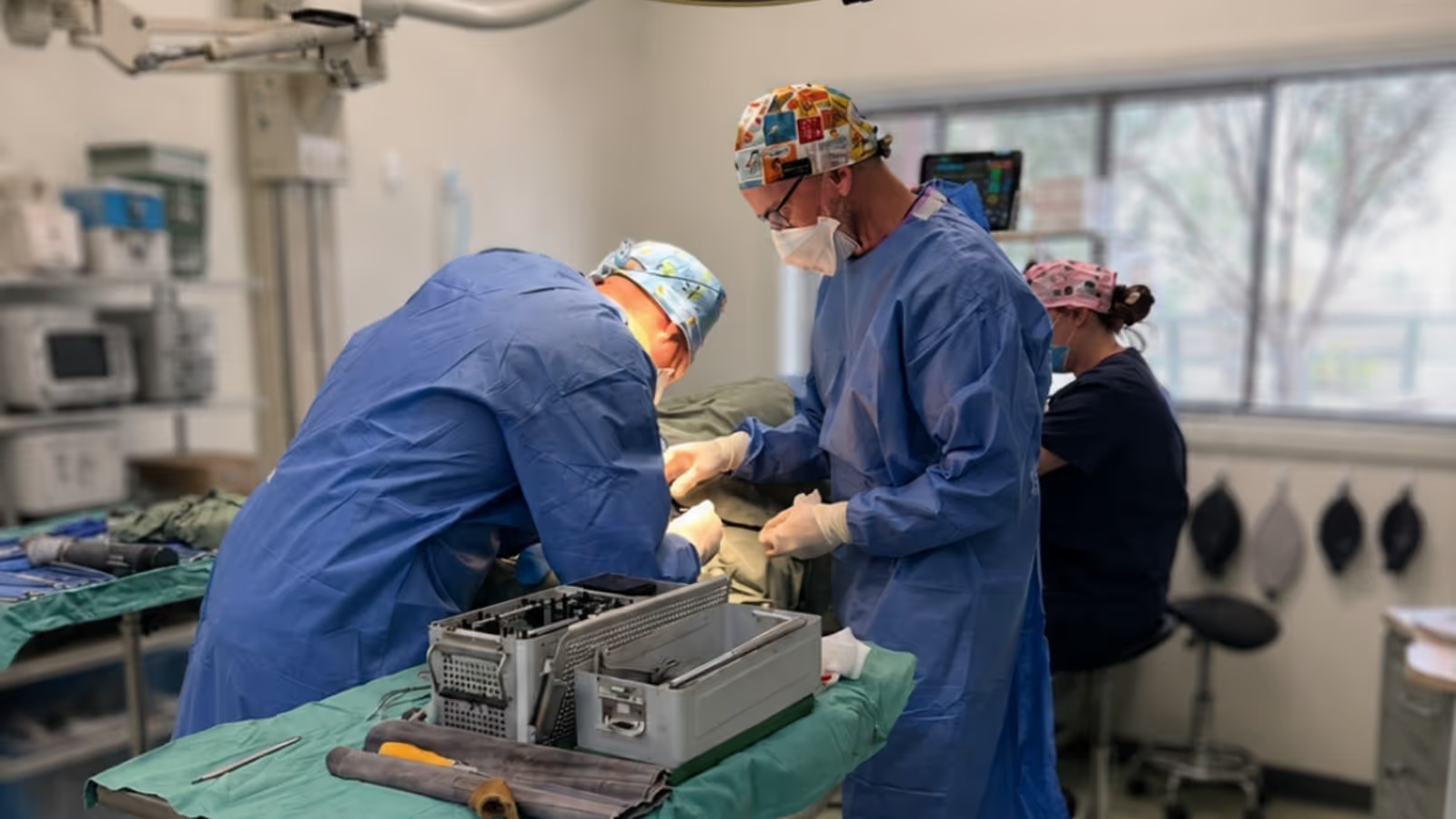
We perform a wide range of procedures in our dedicated surgical facilities, with a strong focus on safety and patient care. Our experienced veterinarian team in Swan Hill ensures your pet is supported before, during, and after surgery.
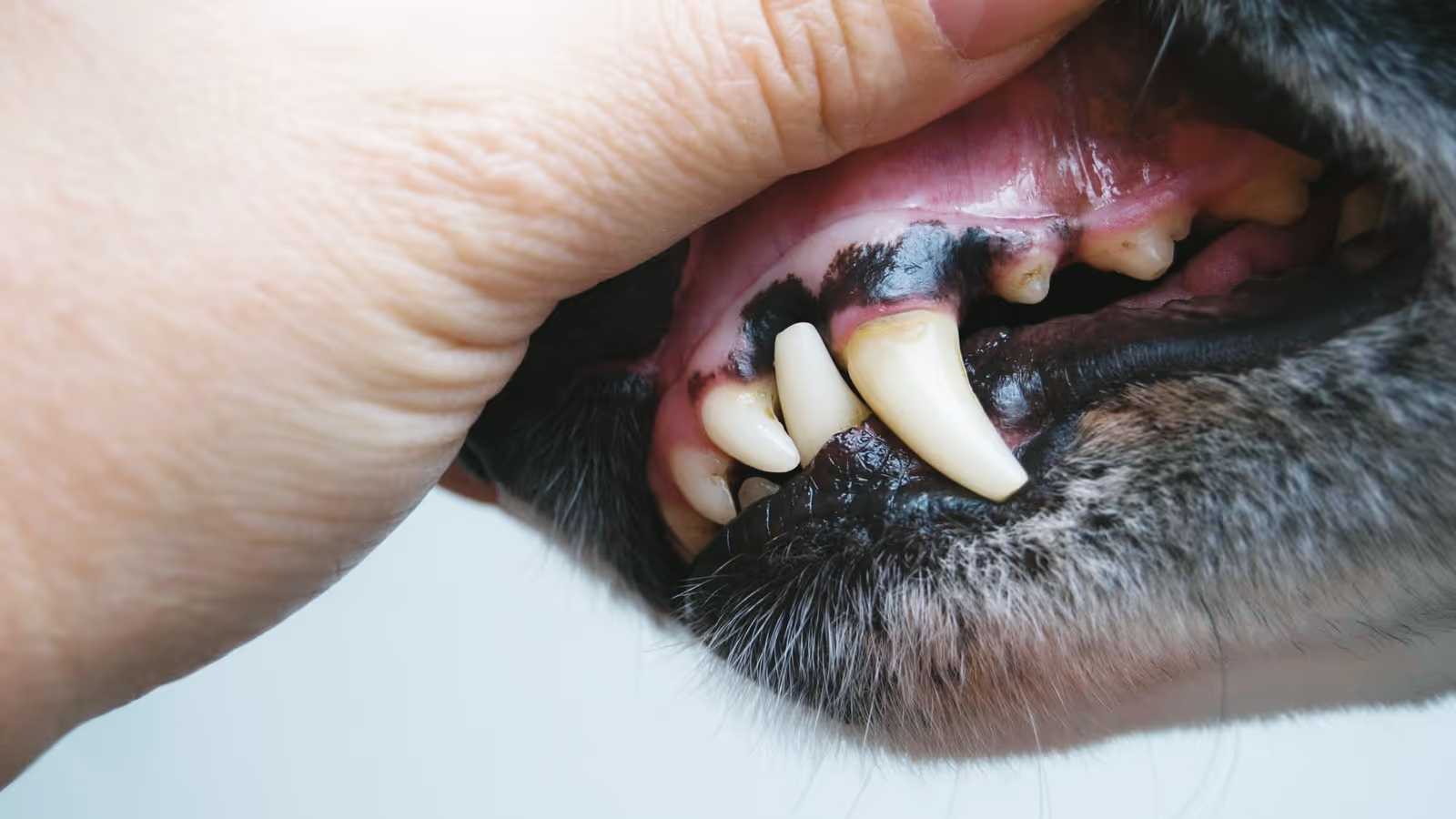
Dental health is an important part of your pet’s overall wellbeing. Our dental services help prevent pain, infection, and disease, keeping your pet comfortable and maintaining long-term health.
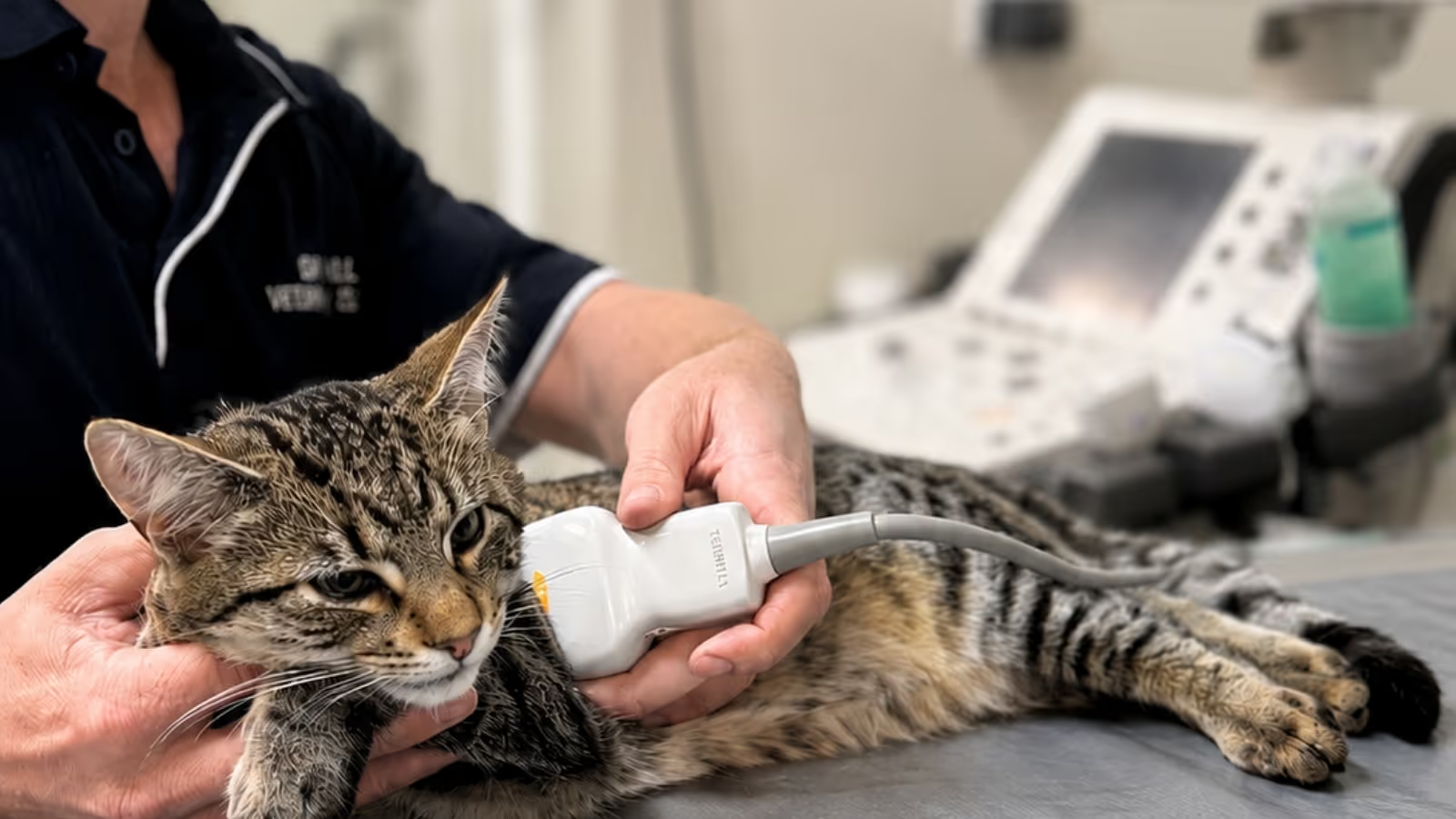
Our advanced imaging technology allows us to diagnose internal conditions quickly and accurately. This supports faster treatment decisions and better outcomes for your pet’s care.

Our in-house laboratory provides fast and reliable test results, allowing us to assess your pet’s health and begin treatment without delay when it matters most.
From first check-ups to lifelong health, our experienced team provides trusted, personalised care for dogs and cats across Swan Hill and surrounding communities.


Deeply rooted in the community, providing exceptional care across generations.
We recommend annual health checks for most pets, and every 6 months for older animals. Regular check-ups help detect issues early and keep your pet in the best possible health.
Signs such as difficulty breathing, vomiting, diarrhoea, sudden lethargy, pain, or changes in behaviour should be assessed as soon as possible. If you’re unsure, it’s always safest to call us.
Yes, even indoor pets are still at risk from certain diseases and parasites. Maintaining vaccinations and preventative treatments is important to keep them protected year-round.
Pets can be fed 4 times/day until 8 weeks of age, then 3 times/day until 12 weeks of age and then twice a day thereafter. Dietary requirements differ depending on your pet’s species, age and lifestyle. When young, they need a puppy or kitten diet to provide them with the correct nutrients critical for growing bodies. It is a good idea to pat and reward your puppy when they are eating to prevent them becoming food aggressive. Kittens (and cats) like to eat and drink separate from each other, and separate from their litter trays.
If you have moved house or changed your name it is important to change your details with the microchipping database so we can still contact you. To update your details you can either email the registry (Central Animal Records or Australasian Animal Registry) or come into the clinic and fill out a form with your new details. We can then update it for you. If you registered an email address, they do send reminders to check your details are correct.
Unfortunately no. Regardless of whether your pet is microchipped or not it needs to be registered with the council. A microchip provides a way for us to get in contact with you if your pet ever gets lost or escapes. The information is kept in a completely separate database to the council’s information. Both your local council and the microchip database need to be updated to have your current details.
Worming should be performed every 2 weeks until 12 weeks old, then monthly until 6 months old and then every 3 months for life. This is in both dogs and cats.
Flea burdens are at their highest in warmer months, but flea prevention should continue all year round to prevent infestations. Some animals are very sensitive to flea bites, thus flea prevention reduces the occurrence of allergies. Fleas can also transmit tapeworms, at any time of year, which can cause other issues.
We desex from as young as 5-6 months of age. Desexing minimises the risk of cancers and infections of the reproductive tract components in both males and females.
Gum disease is the cause of bad breath. Often you might notice a yellow build up on teeth. Infected gums can become red and swollen, eventually receding, which can lead to tooth loss and bone pain. The best treatment is a dental which involves cleaning and polishing the teeth to remove the plaque and tartar. Sometimes antibiotics are needed as well to clear up infection. Prevention can be achieved by using dental treats, raw bones and a dry food diet. If you can, regular brushing can be performed at home.