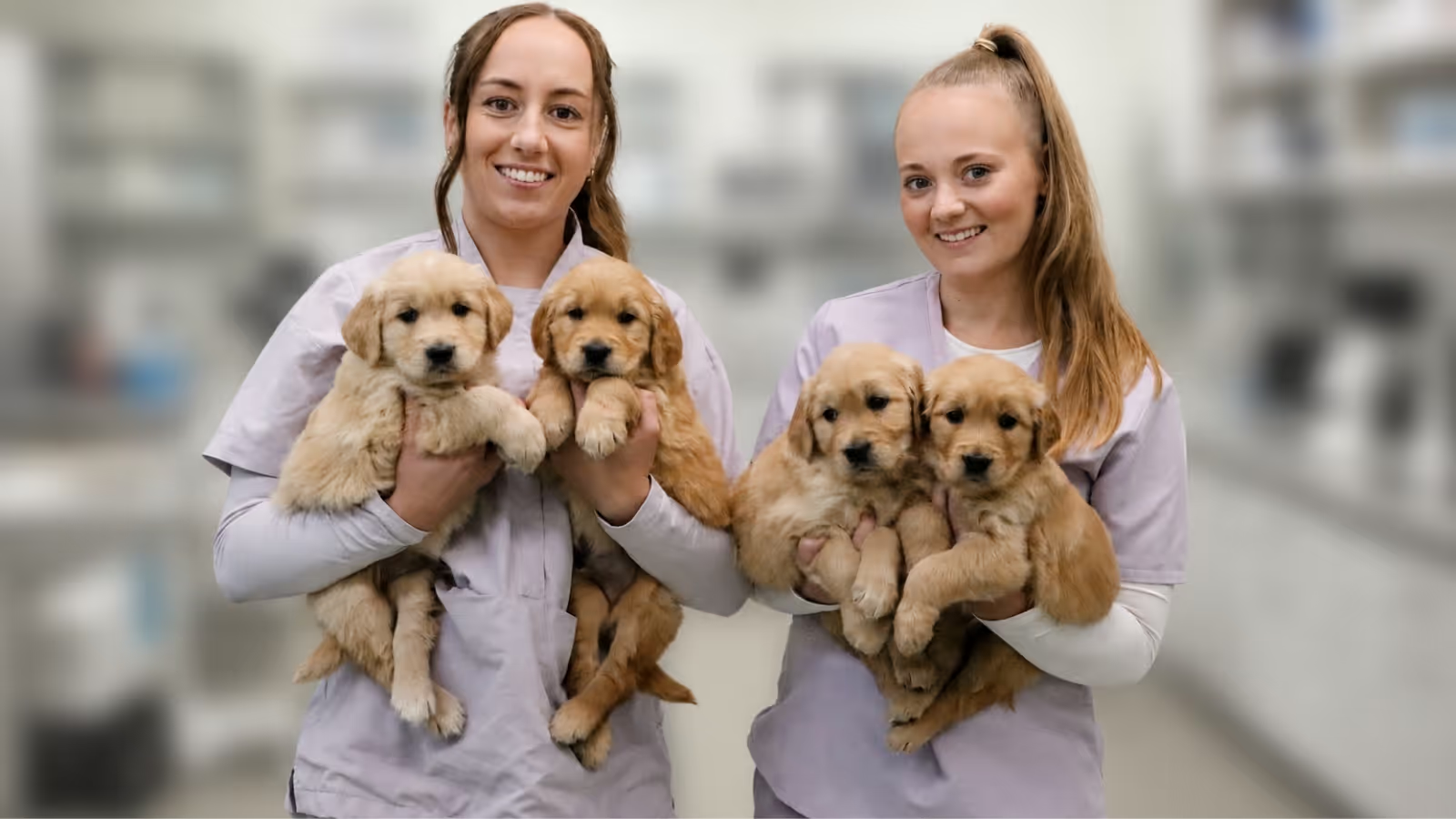
Compassionate care for every animal in our community.
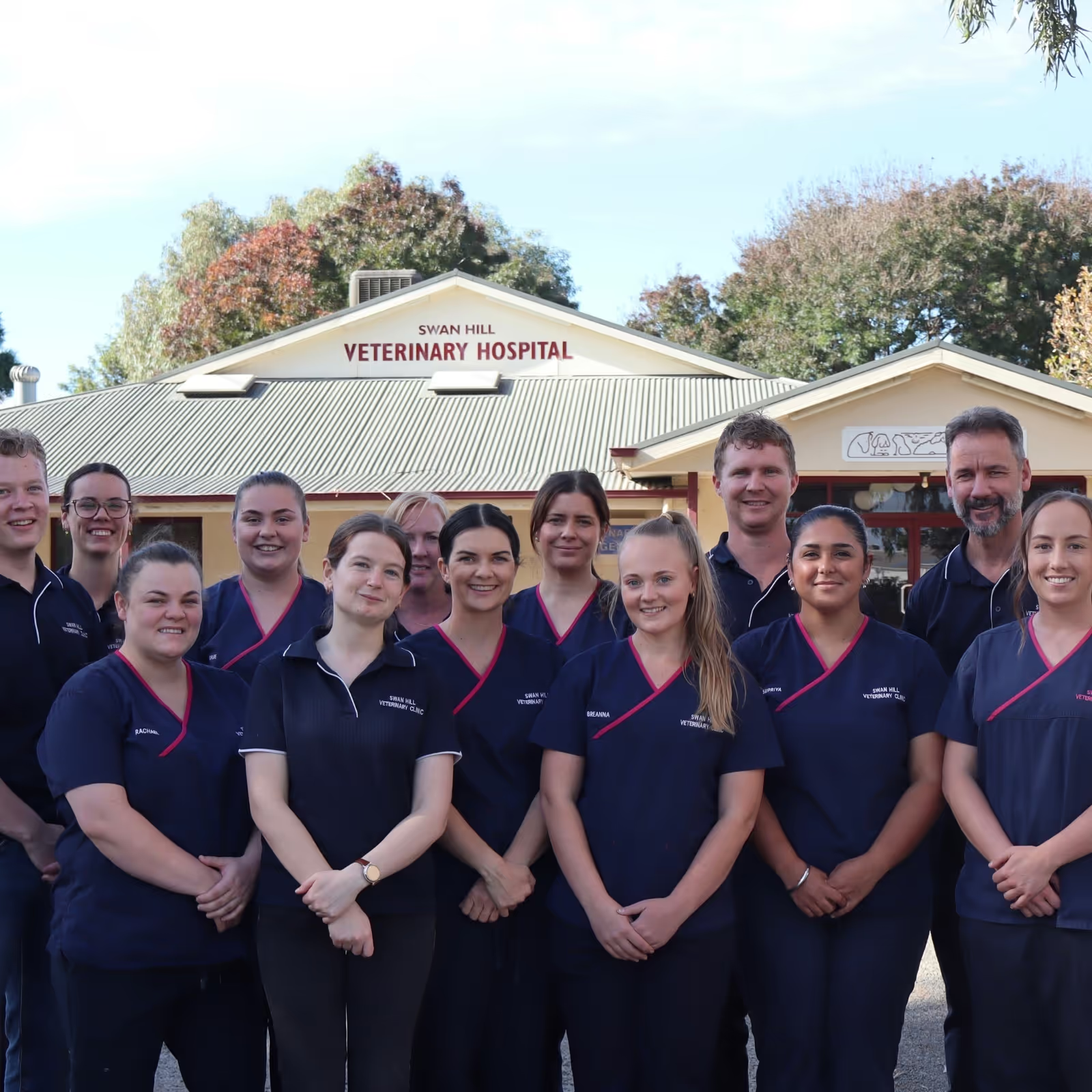
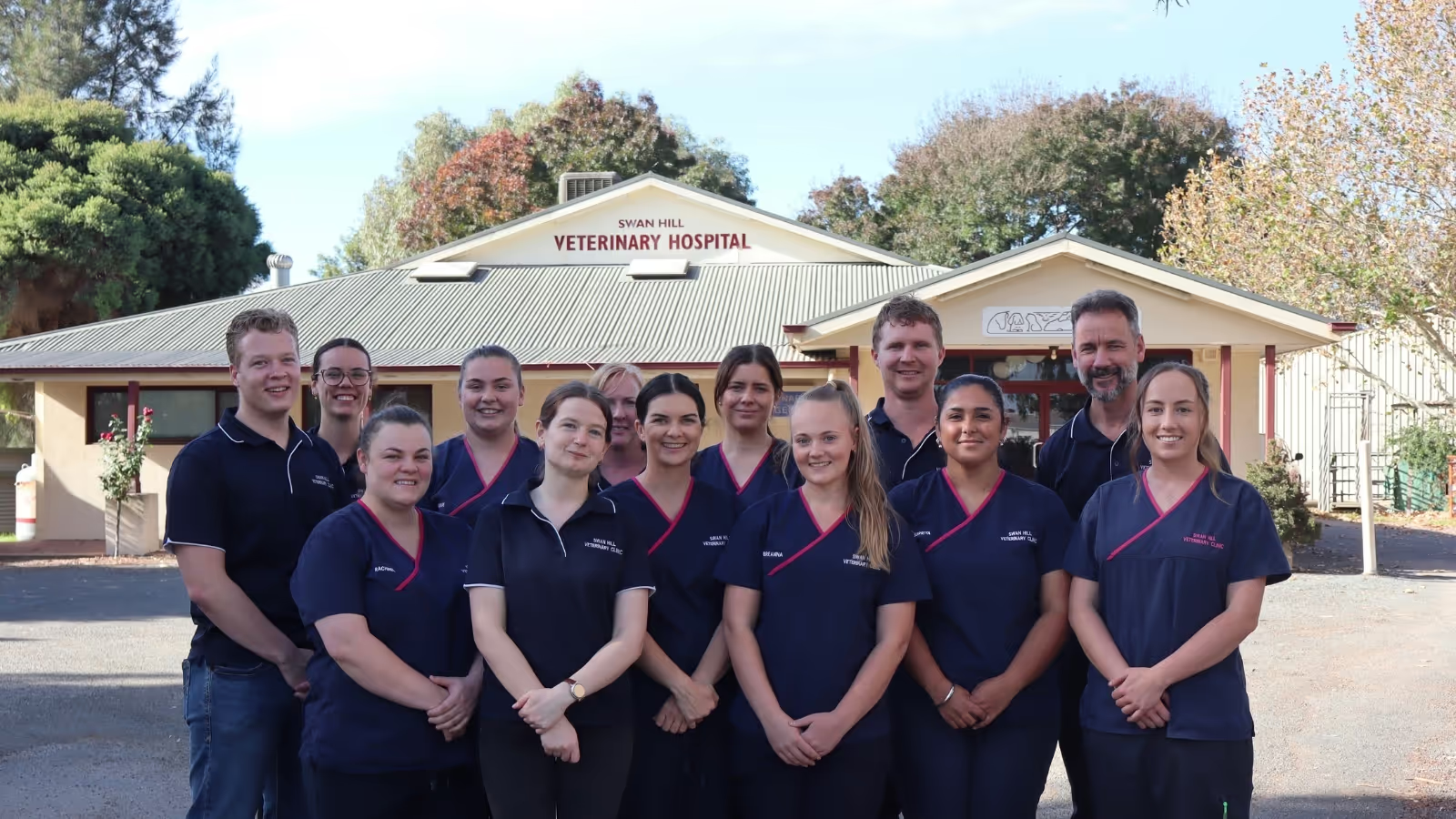
Trusted veterinary care for pets, livestock, and equine animals in Swan Hill, delivered by a locally grown, multi-generational team.
From 150+ Local Reviews
Trusted veterinary care for pets, livestock, and equine animals in Swan Hill, delivered by a locally grown, multi-generational team.
Deeply rooted in the community, providing exceptional care across generations.
A multi-generational practice that treats you and your animals like family.
Locally grown veterinarians who deeply understand the region and its specific needs.
Building lasting relationships with clients for continuous, trusted veterinary support.
High-quality care spanning companion pets, robust equine, and essential livestock services.
Specialised care tailored for every type of animal in our rural community.
Throughout our history, we have remained dedicated to being a friendly, compassionate, and reliable partner for pet owners, ensuring their animals receive the best possible treatment and care.
Dr. Bob Taylor arrived in Swan Hill, joining Dr. Dion Donalis in a small practice located in the town centre arcade. Following Dr. Donalis's retirement, Dr. Mike Russell joined in 1973, forming a partnership in 1974 that would shape the region's veterinary care.
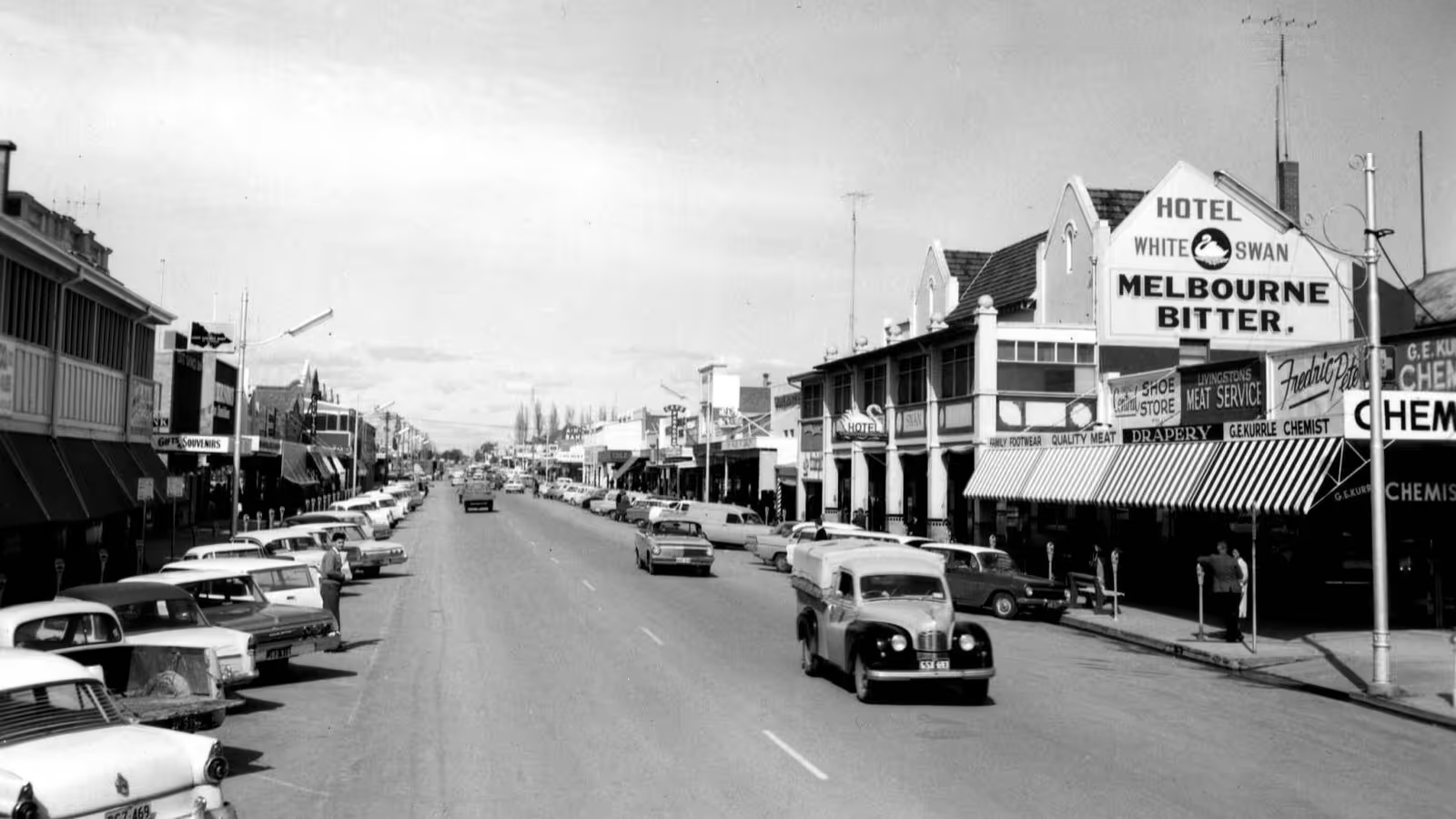
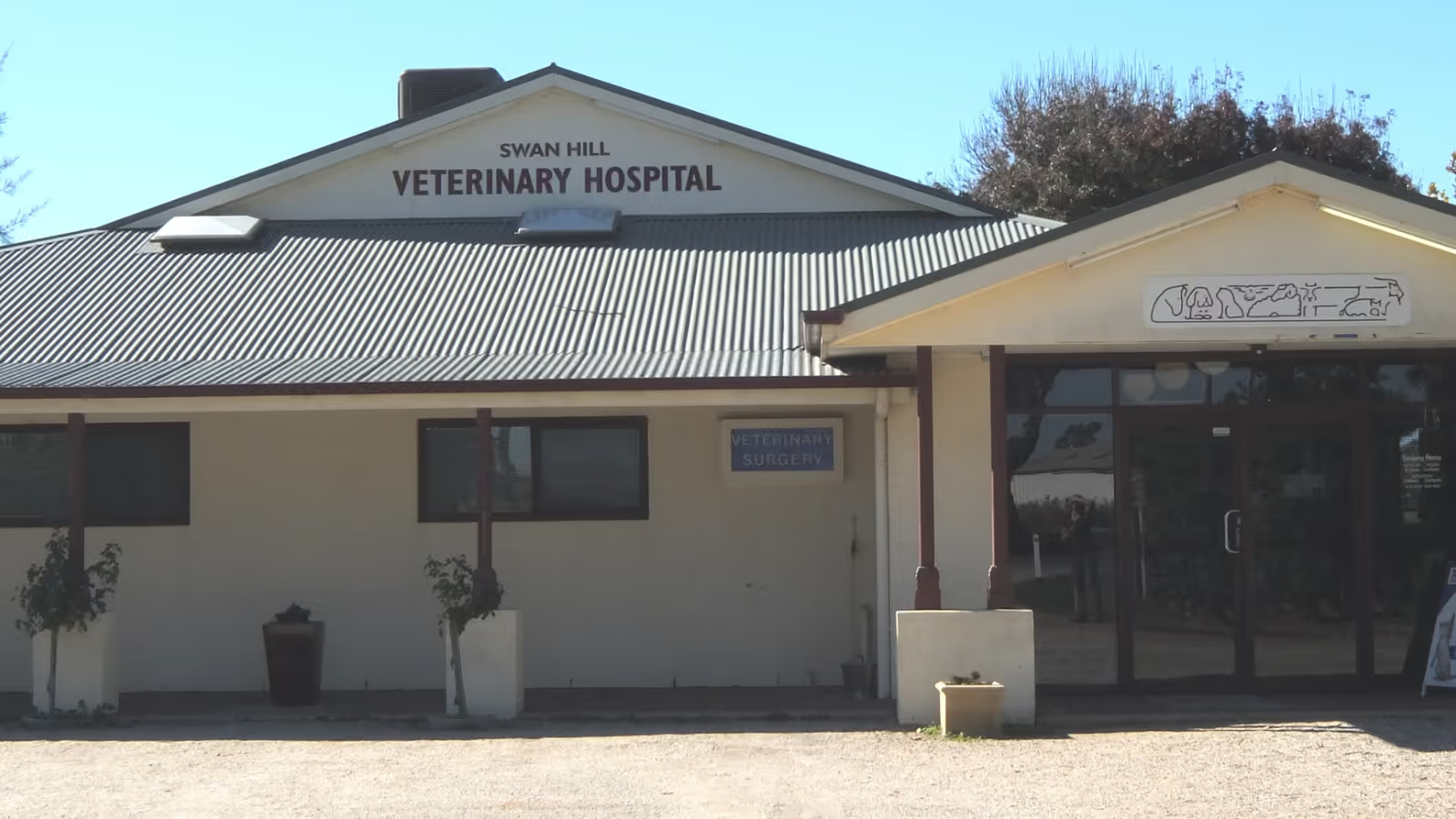
The clinic relocated to its current home on the Murray Valley Highway. As demand grew, the team expanded, adding associates in 1988 and 1994 to support increasing small animal needs.
A pivotal year marked by the retirement of Dr. Bob Taylor, ending Victoria's longest-running veterinary partnership. The legacy continued as Mike's sons, Tim and Ben, returned home to take over the practice.

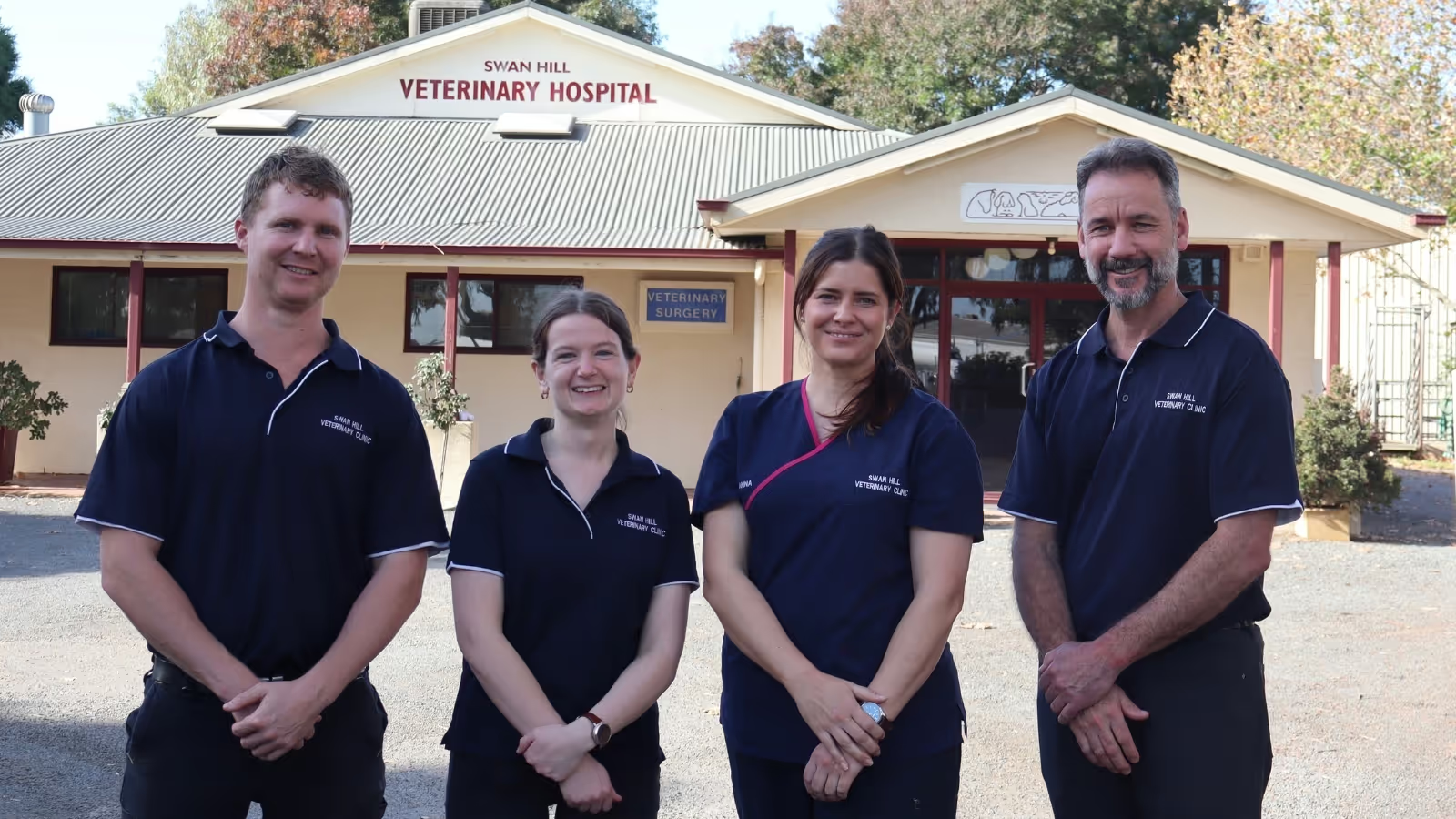
Since 2007, we’ve continually invested in our facilities and technology to deliver high-quality care across all animal types.
In 2026, our leadership expanded with Dr Jack Atkin-Smith joining as Practice Owner, strengthening our commitment to exceptional veterinary care and long-term client relationships.
See what our community has to say about their experience with Swan Hill Veterinary Clinic.
Made a stressful day easier. Putting my mate of 17 years down, explained the process, gave me time, treated my best mate with caring, dignity and respect. I received a sympathy card in the mail which was not expected but fully appreciated. Can't thank them enough.
Staff are so lovely and helpful, special mention to Vanessa too, really gentle with my ragdoll and helped with many little favours.
I cannot say enough good things about how kind and caring the staff are at this vet clinic. They made a stressful experience easier, and with great follow up. Thank you so much!
One of the best vets we are have gone too. Vanessa is the best, so caring and understandable. She really cares... its hard to find good vets. Definitely give them a go.
Great vet, fair prices and they actually listen to you. Not just about the money
The most amazing and compassionate staff. They have your pets best interest at heart and truly understand limits of care available to each person. I can not recommend the staff and clinic enough.
From our ducks, sheep and dogs, they have been caring, compassionate and professional at every step
Deeply rooted in the community, providing exceptional care across generations.