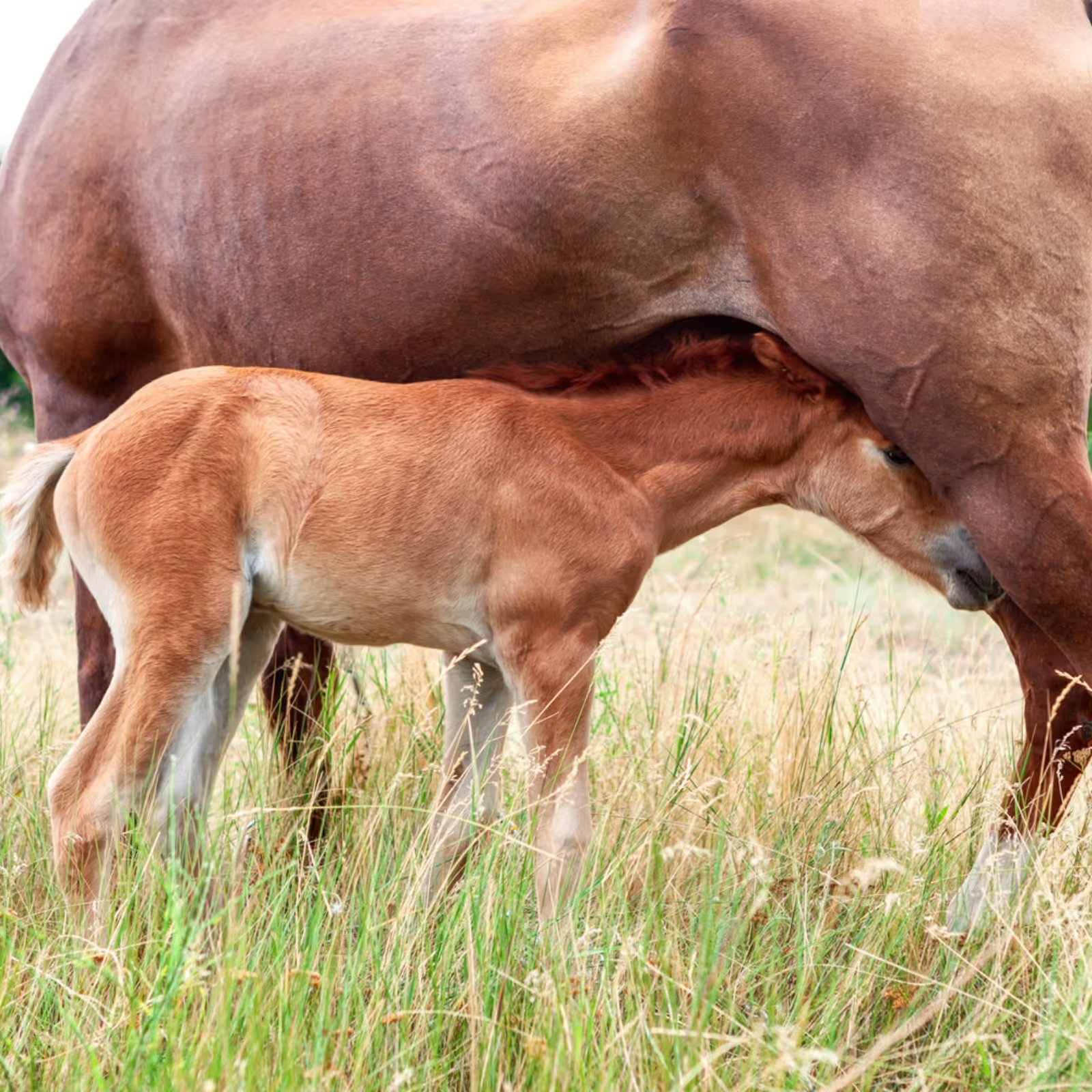
With decades of experience serving the rural communities of the Swan Hill region, our locally grown veterinarians provide comprehensive, specialised care for your horses. From routine health checks to advanced reproductive and surgical services, we ensure expertise is always in your hands.
Advanced breeding support, fertility management, and foaling care to ensure the next generation arrives safely.
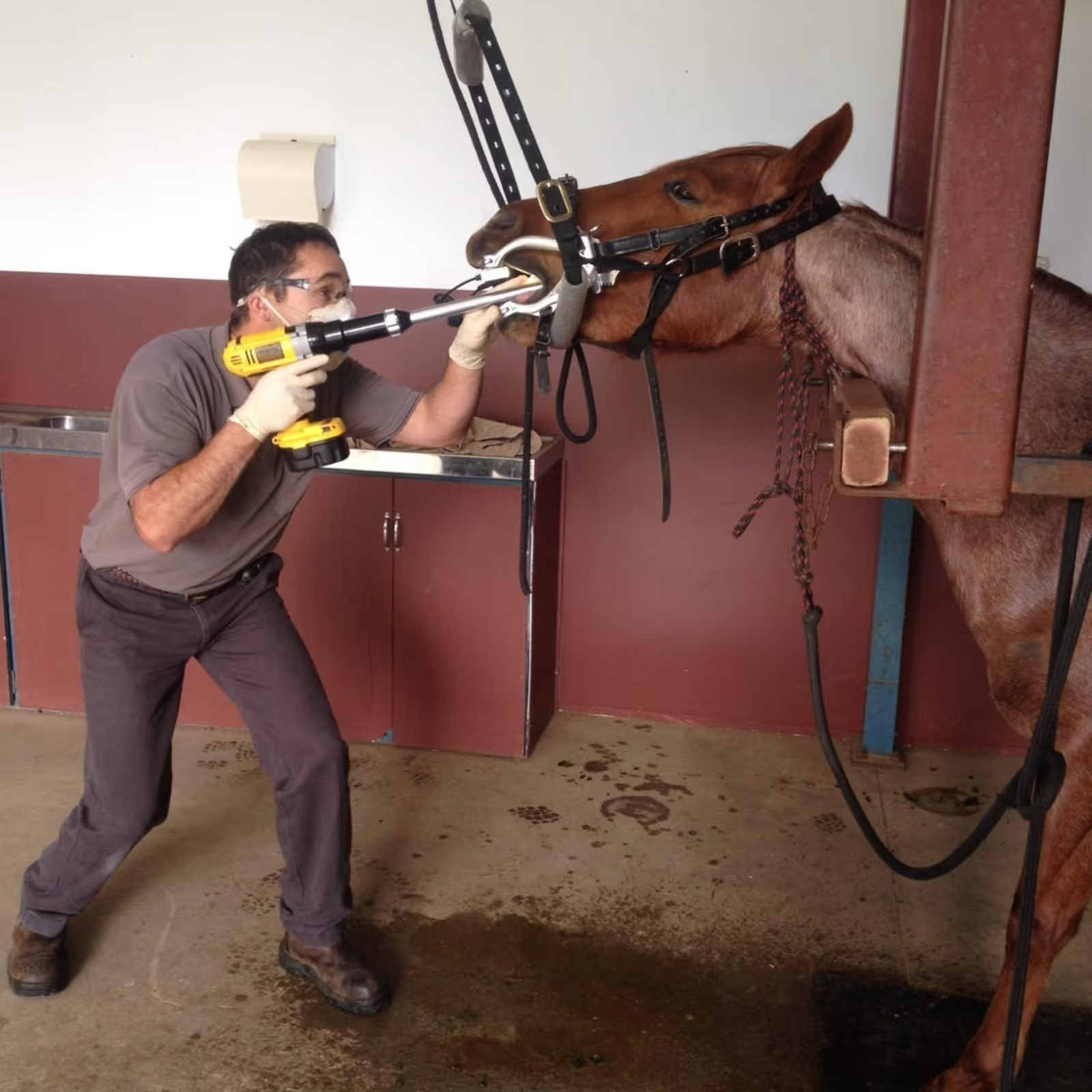
Routine dental checks, floating, and treatment of complex dental disorders to maintain optimal oral health.
Expert minor and major surgical procedures, lameness investigations, and dedicated post-operative care.


Successful breeding requires precise timing, expert knowledge, and dedicated care. Our clinic offers comprehensive reproductive services to support you from conception through to a healthy foaling.
Regular dental care is crucial for your horse's overall health, performance, and comfort. We provide professional dental examinations and treatments using modern, specialized equipment.
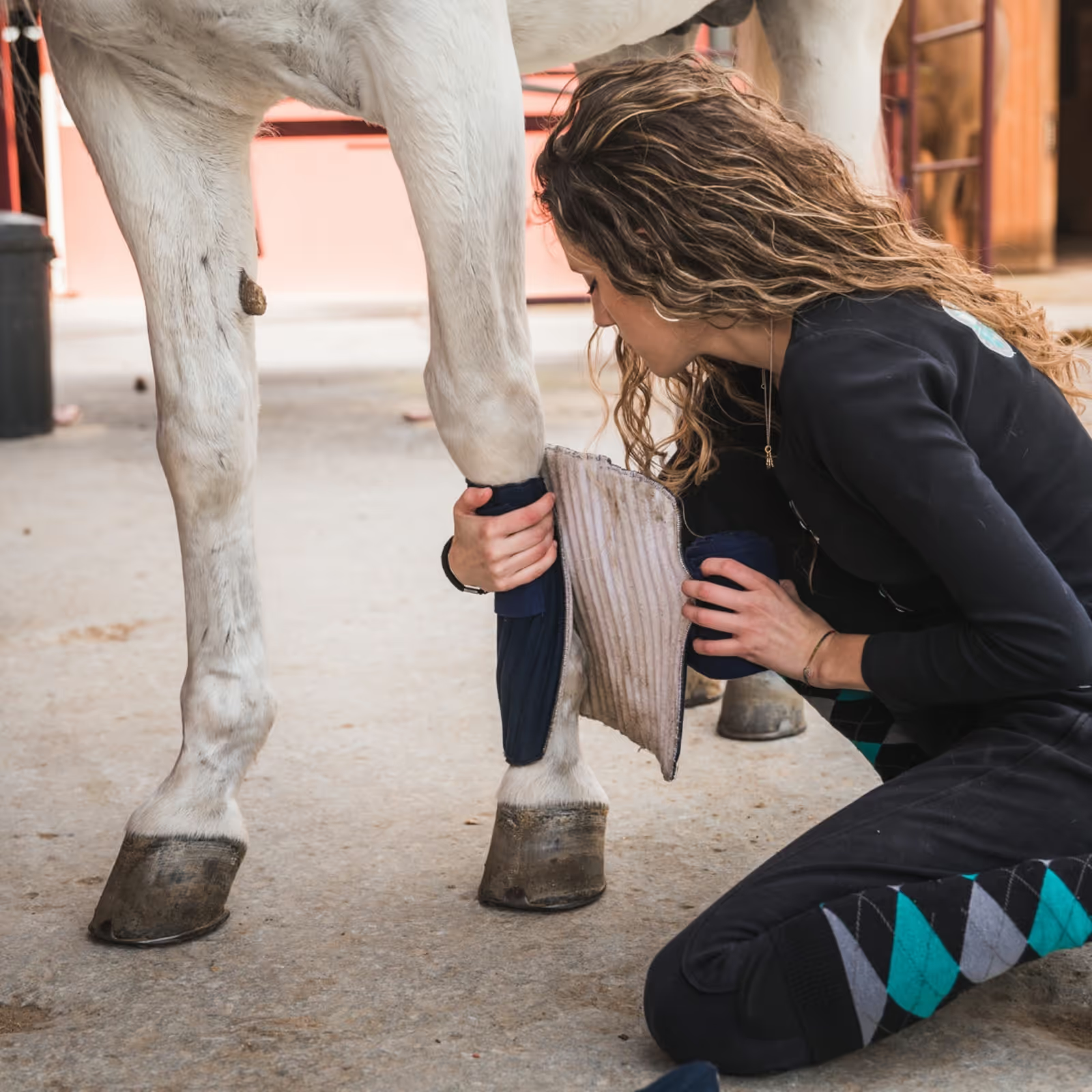
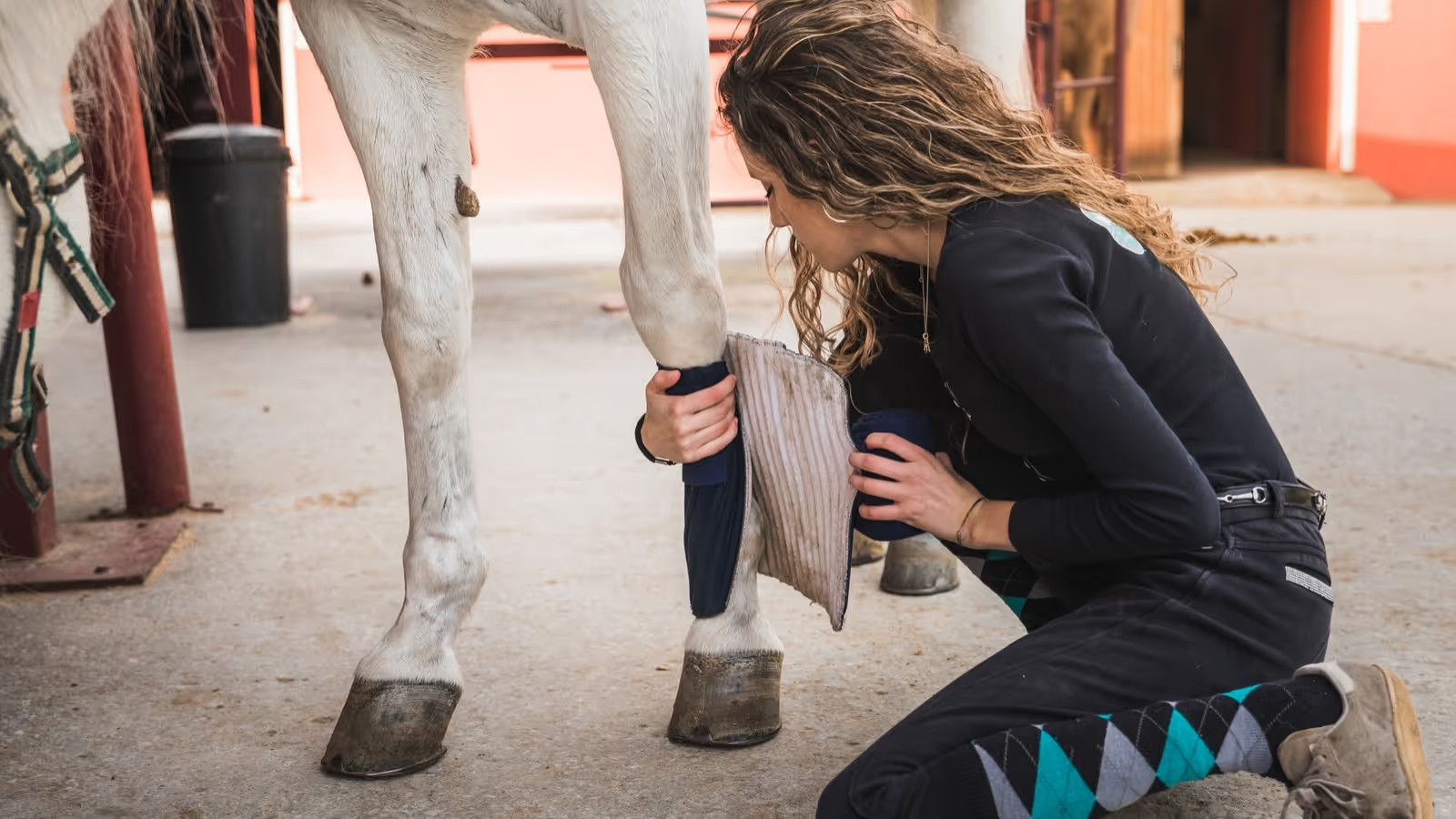
Our experienced surgical team provides advanced diagnostic and surgical interventions to address complex health issues and restore mobility.
Our local veterinary team is ready to provide trusted, professional equine care across the Swan Hill region.

Signs such as severe pain, rolling, sweating excessively, difficulty breathing, inability to stand, or sudden behavioural changes should be treated as urgent. Contact your vet immediately if you notice any of these symptoms.
If your horse shows persistent or worsening lameness, reluctance to move, or uneven gait, it’s best to have them assessed early. Prompt investigation helps identify the cause and prevent more serious issues developing.
A lameness exam may include a physical assessment, movement evaluation, flexion tests, and diagnostic tools such as nerve blocks or imaging to accurately identify the source of the issue.
Most horses benefit from a dental check every 6–12 months. Regular dentistry helps prevent pain, improves feed utilisation, and supports overall health and performance.
Yes, we offer on-farm visits for equine patients across the Swan Hill region. This allows us to assess and treat your horse in a familiar environment with minimal stress.
Core vaccinations typically include tetanus and strangles. Vaccination schedules can vary depending on your horse’s lifestyle, so we recommend discussing a tailored plan with your veterinarian.
Consistent feeding routines, access to clean water, regular exercise, and gradual dietary changes can all help reduce the risk of colic. Preventative care plays a key role in long-term health.
Colic can range from a simple gut upset to something more severe like a gut torsion or impaction. It is important not to let them graze and roll excessively. Initially at home, you can give them a dose of Bute paste or granules (if you have some) to see if mild pain relief helps. If not successful, or you have none, call a veterinarian for assistance.
In sheep, goats, cats and dogs, the membranes are passed with the newborn. A mare passes her membranes within 4 hours of giving birth. Cows should have passed their membranes by 4 days post-calving. If at any stage post-birth your animal becomes inappetant or lethargic, contact a veterinarian as there may be remnants of the membranes causing infection.